


Description
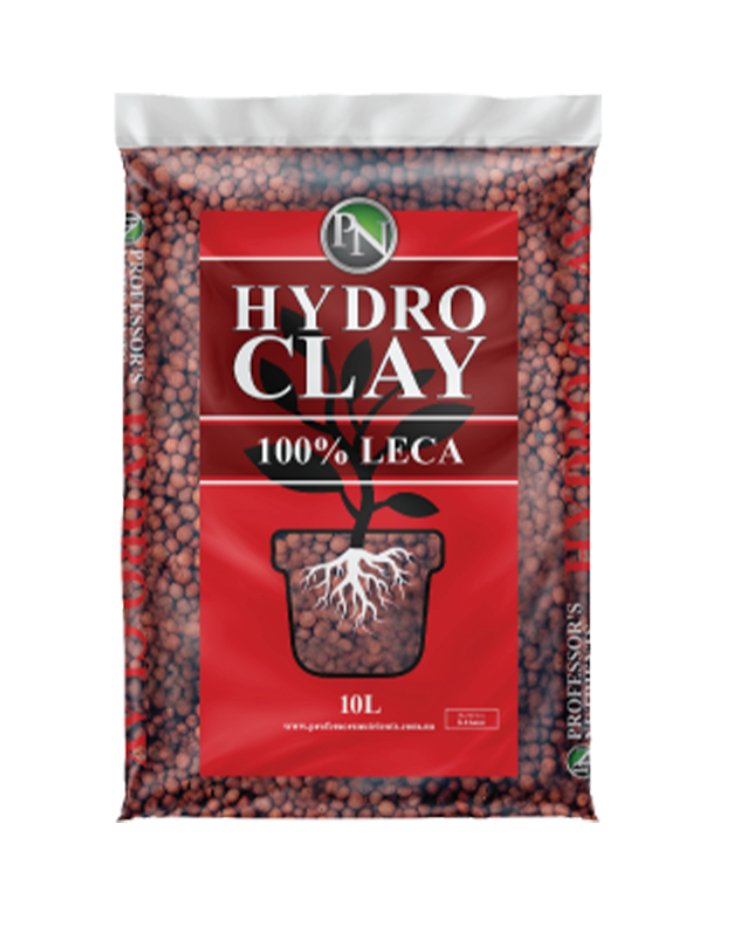
Professor’s Nutrients Hydro Clay Balls 10L – 8–16mm LECA Hydroponic Growing Medium
Premium Expanded Clay Pebbles for Hydroponics, Aquaponics & Indoor Plants
Professor’s Nutrients Hydro Clay Balls 10L are a premium 100% natural Lightweight Expanded Clay Aggregate (LECA) growing medium designed to provide excellent drainage, aeration and physical support around developing plant roots.
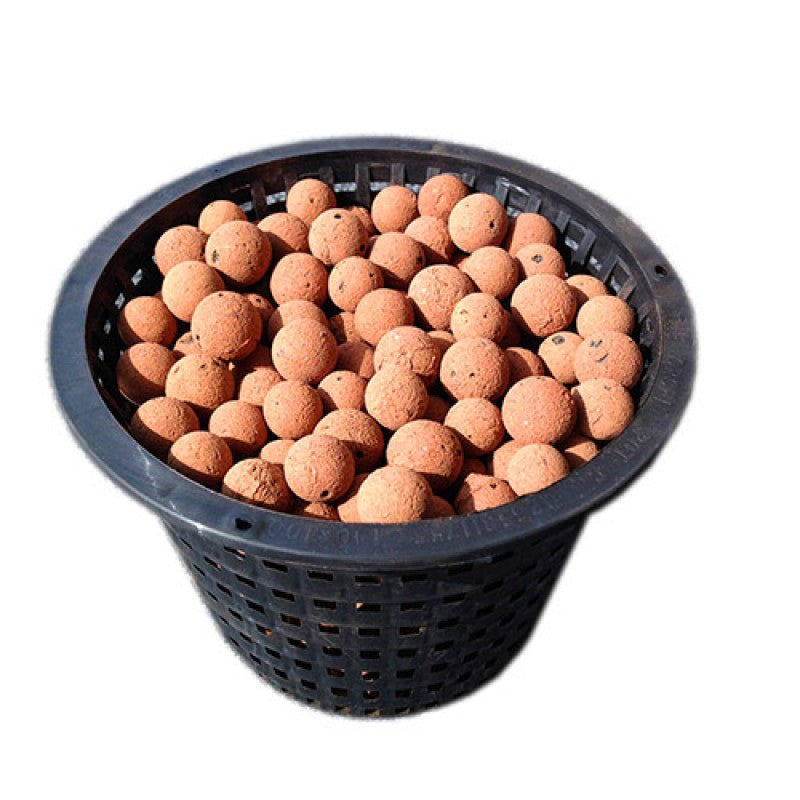
Made from expanded clay and formed into approximately 8–16mm porous pebbles, Hydro Clay creates generous air spaces throughout the root zone while retaining a useful amount of moisture within and around each clay ball.
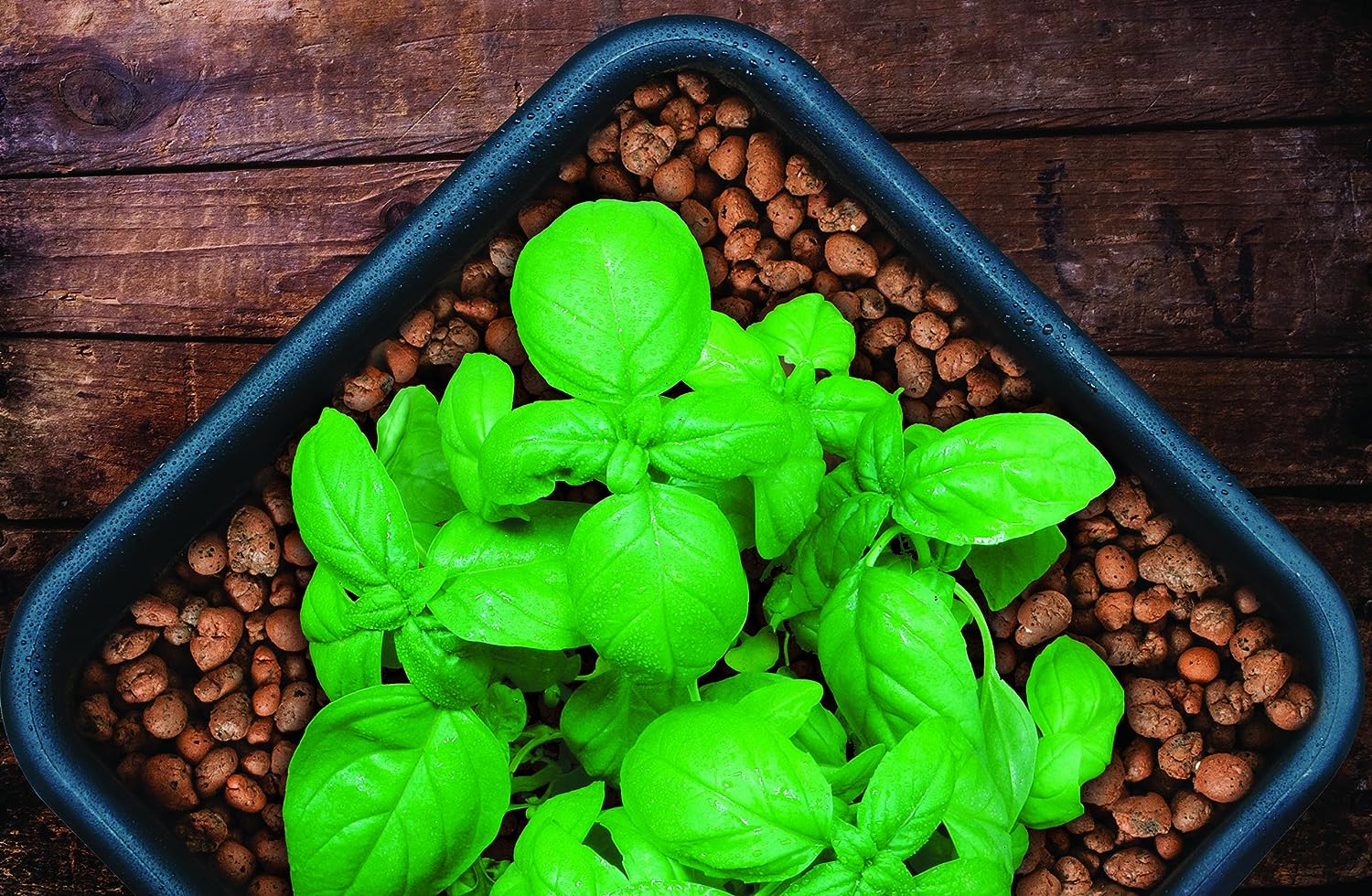
The combination of rapid drainage, high porosity and excellent oxygen availability makes Professor’s Nutrients Hydro Clay an extremely versatile substrate for hydroponic cultivation. It can be used as a standalone medium, in net pots, as part of flood-and-drain or drip systems, in aquaponics, blended with other growing media, or as a decorative and functional top layer.
With a pH-neutral profile and zero inherent nutrient value, growers maintain greater control over the nutrients supplied to their plants.
Key Features
- 10L bag
- Premium hydroponic clay balls
- Made from 100% natural LECA
- Lightweight Expanded Clay Aggregate
- Approximately 8–16mm particle size
- Excellent root-zone aeration
- Rapid and reliable drainage
- Highly porous structure
- Helps maintain oxygen around roots
- Retains useful moisture between irrigation cycles
- Helps reduce waterlogging
- Does not compact like finer growing media
- pH neutral
- Zero inherent nutrient value
- Allows precise control over plant nutrition
- Strong and structurally stable
- Suitable as a standalone hydroponic medium
- Can be mixed with other growing substrates
- Suitable for hydroponics
- Suitable for aquaponics
- Ideal for flood-and-drain systems
- Suitable for drip irrigation
- Excellent for net pots
- Suitable for DWC plant support
- Useful for semi-hydro indoor plants
- Suitable as a drainage layer
- Can be used as a surface layer
- Washable and potentially reusable when properly cleaned
What Are LECA Clay Balls?
LECA stands for Lightweight Expanded Clay Aggregate.
Clay is processed at high temperatures, causing it to expand into lightweight, hard and porous pellets.
The finished material provides a very different root environment compared with conventional soil.
Instead of tightly surrounding roots, the larger clay pebbles create substantial gaps throughout the container. These gaps allow air, water and nutrient solution to move freely through the root zone.
The porous structure of the individual pebbles also allows them to retain a degree of moisture while excess solution drains away.
This combination makes LECA particularly valuable in hydroponic cultivation.
Approximately 8–16mm Clay Pebbles
Professor’s Nutrients Hydro Clay uses approximately 8–16mm clay balls, providing a useful balance between plant support, drainage and aeration.
The larger particle structure creates open spaces throughout the root zone, helping prevent the substrate from becoming overly compacted.
This makes the medium particularly effective where frequent irrigation or recirculating nutrient solutions are used.
Excellent Root-Zone Aeration
Roots require oxygen as well as water and nutrition.
A poorly aerated root zone can remain saturated for excessive periods, reducing the amount of oxygen available around developing roots.
Professor’s Nutrients Hydro Clay helps overcome this problem through its open structure.
Spaces between the clay balls allow air to circulate throughout the root zone while nutrient solution can move freely around the roots.
This makes Hydro Clay particularly useful for growers looking for:
- High root-zone oxygen availability
- Rapid drainage
- Minimal substrate compaction
- Efficient nutrient-solution movement
- Strong root development
- Reliable hydroponic performance
Fast & Reliable Drainage
One of the biggest advantages of expanded clay is its excellent drainage characteristics.
Water and nutrient solution can move rapidly between the individual clay pebbles rather than remaining trapped within a dense substrate.
This makes Professor’s Nutrients Hydro Clay particularly suitable for growing systems that repeatedly irrigate and drain the root zone.
Ideal applications include:
- Flood-and-drain hydroponics
- Drip irrigation
- Recirculating systems
- Aquaponics
- Net pots
- DWC plant support
- Automated irrigation systems
Porous Structure for Moisture Retention
Although Hydro Clay drains rapidly, the individual clay balls have a porous structure.
These pores retain a degree of moisture around the root zone after excess nutrient solution has drained away.
This creates a useful balance between moisture retention and oxygen availability.
Rather than keeping the entire substrate continuously saturated, the clay balls allow excess solution to drain while retaining moisture on and within their porous surfaces.
pH Neutral Growing Medium
Professor’s Nutrients Hydro Clay has a pH-neutral profile, making it well suited to controlled hydroponic cultivation.
Because the medium itself is not intended to substantially alter the nutrient solution, growers can manage their nutrient concentration and pH according to the requirements of their plants and hydroponic system.
As with any hydroponic substrate, the irrigation solution should still be regularly monitored.
Zero Inherent Nutrient Value
Hydro Clay is an inert growing medium and contains no meaningful nutrient charge intended to feed plants.
This can be an advantage for hydroponic growers.
Instead of relying on nutrients already contained within a potting mix, the grower supplies the required macro and micronutrients through a dedicated nutrient solution.
This provides greater control over:
- Nutrient concentration
- Feeding frequency
- EC
- pH
- Nutrient ratios
- Crop-specific feeding programs
Ideal for Flood & Drain Hydroponics
Expanded clay is particularly well suited to flood-and-drain systems.
During the flood cycle, nutrient solution moves throughout the clay pebbles and comes into contact with the plant's root system.
When the solution drains away, the open spaces throughout the Hydro Clay become available to air again.
Repeated wet and drain cycles can therefore provide roots with regular access to both nutrient solution and oxygen.
Excellent for DWC Net Pots
Professor’s Nutrients Hydro Clay is also an excellent medium for supporting plants in Deep Water Culture (DWC) net pots.
The clay balls provide physical support around the plant while allowing roots to easily grow through the spaces between the pebbles and out through the net pot.
Because Hydro Clay drains freely, the upper root zone can remain well aerated while established roots extend into the oxygenated nutrient solution below.
Suitable for Drip Irrigation
Hydro Clay can be used as a standalone medium in suitable drip-fed hydroponic systems.
Drippers deliver nutrient solution around the plant while the porous clay balls distribute moisture through the surrounding root area.
Excess solution can then rapidly drain from the container.
Irrigation frequency should be adjusted according to:
- Plant size
- Container size
- Root development
- Environmental conditions
- System design
- Water-holding requirements
Because clay balls retain less water than media such as coco, irrigation strategies may need to use more frequent watering cycles.
Suitable for Aquaponics
The inert and porous characteristics of expanded clay make it a popular growing medium for aquaponic systems.
The clay balls physically support plants while allowing water and oxygen to circulate freely through the root zone.
Their porous surfaces also provide substantial surface area where beneficial microorganisms can establish.
This makes Hydro Clay useful for appropriately designed aquaponic grow beds and plant-support applications.
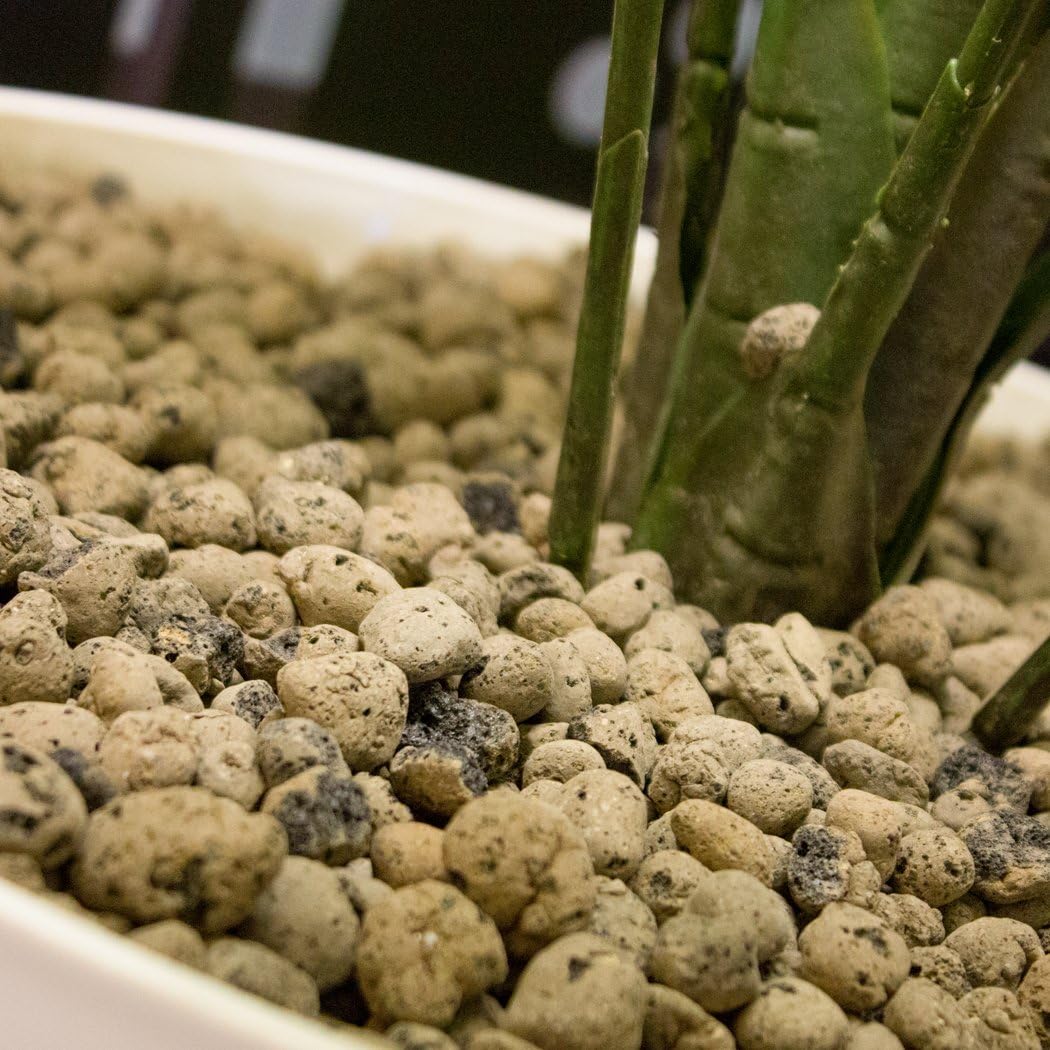
Great for Indoor Plants & Semi-Hydro Growing
Professor’s Nutrients Hydro Clay isn't limited to conventional hydroponic systems.
LECA has become increasingly popular for indoor plants and semi-hydro cultivation.
Clay balls can provide a clean, structured root environment with considerably more air space than conventional potting mixes.
They are suitable for many applications involving:
- Indoor foliage plants
- Decorative plants
- Semi-hydro growing
- Self-watering systems
- Propagation
- Rooted cuttings
- Plant displays
Always select an irrigation and nutrient strategy appropriate for the particular plant.
Mix with Other Growing Media
Professor’s Nutrients Hydro Clay can also be mixed with other substrates rather than being used alone.
Clay balls may be incorporated into suitable growing mixes to increase physical structure and drainage.
Potential combinations include:
- Coco coir
- Coco chips
- Potting mixes
- Peat-based substrates
- Perlite blends
- Other hydroponic growing media
The appropriate ratio will depend on the desired balance between drainage and moisture retention.
Use as a Surface Layer
Clay balls can also be placed across the surface of pots and growing containers.
A Hydro Clay surface layer provides a clean and professional appearance while creating a physical barrier between the exposed growing medium and surrounding environment.
It can be useful in:
- Indoor plant pots
- Hydroponic containers
- Propagation pots
- Decorative planters
- Commercial plant displays
Preparation Before Use
For best results, rinse Professor’s Nutrients Hydro Clay thoroughly before use.
Clay pebbles can contain fine clay dust generated during manufacturing, transport and handling.
Recommended Preparation
- Place the required quantity of clay balls into a suitable container.
- Rinse thoroughly with clean water.
- Agitate the clay balls to release loose dust.
- Drain away the dirty water.
- Repeat until the runoff becomes substantially cleaner.
- Prepare or condition the medium according to your chosen growing system.
- Add plants and begin the appropriate irrigation program.
Pre-rinsing helps prevent loose clay particles from entering pumps, reservoirs and irrigation equipment.
Reusing Hydro Clay
One of the advantages of expanded clay is its durability.
Unlike many organic growing substrates, the clay pebbles don't rapidly decompose after a single crop.
Hydro Clay may therefore be reused where appropriate, provided it is thoroughly cleaned and correctly prepared between crops.
Remove:
- Old roots
- Organic debris
- Accumulated fertiliser salts
- Biofilm
- Other crop residues
The appropriate cleaning and sanitation procedure will depend on the growing system and whether the next crop will be managed using sterile or biological root-zone practices.
Ideal Applications
Professor’s Nutrients Hydro Clay Balls are suitable for:
- Hydroponic cultivation
- Flood-and-drain systems
- Ebb-and-flow systems
- Drip irrigation
- DWC net pots
- Recirculating hydroponics
- Aquaponics
- Semi-hydro houseplants
- Indoor plants
- Propagation
- Rooted cuttings
- Growing-medium blends
- Drainage applications
- Decorative pot surfaces
Specifications
| Specification | Details |
|---|---|
| Brand | Professor’s Nutrients |
| Product | Hydro Clay Balls |
| Product Type | Hydroponic Growing Medium |
| Bag Size | 10L |
| Material | 100% Natural LECA |
| Particle Size | Approx. 8–16mm |
| Structure | Lightweight & Porous |
| pH Profile | Neutral |
| Nutrient Value | Zero / Inert |
| Drainage | Excellent |
| Aeration | Excellent |
| Water Retention | Moderate |
| Hydroponics | Yes |
| Aquaponics | Yes |
| Flood & Drain | Yes |
| Drip Irrigation | Yes |
| DWC Net Pots | Yes |
| Semi-Hydro | Yes |
| Reusable | Yes, when appropriately cleaned |
Why Choose Professor’s Nutrients Hydro Clay Balls?
Professor’s Nutrients Hydro Clay Balls 10L provide growers with a simple, durable and highly versatile hydroponic substrate.
The approximately 8–16mm LECA pebbles create an open root-zone structure that promotes excellent aeration while allowing excess water and nutrient solution to drain rapidly.
At the same time, the porous clay retains useful moisture around developing roots without behaving like a dense, water-holding substrate.
Because Hydro Clay is pH neutral and nutrient free, growers retain control over their feeding program rather than relying on nutrients contained within the growing medium.
Whether you're filling a flood-and-drain system, supporting plants in DWC net pots, setting up an aquaponic grow bed, blending a better-draining substrate or experimenting with semi-hydro indoor plants, Professor’s Nutrients Hydro Clay provides a dependable and reusable growing-medium solution.
FAQs
What are Professor’s Nutrients Hydro Clay Balls?
They are Lightweight Expanded Clay Aggregate (LECA) pebbles designed for use as a hydroponic and horticultural growing medium.
How large are the clay balls?
The pebbles are approximately 8–16mm in size.
How much is in the bag?
This product contains 10 litres of Hydro Clay.
Are the clay balls pH neutral?
Yes. Professor’s Nutrients Hydro Clay is a pH-neutral growing medium.
Do Hydro Clay Balls contain nutrients?
No. They are an inert medium with zero inherent nutrient value, allowing growers to provide nutrition through their chosen feeding program.
Can I use them in hydroponics?
Yes. Hydro Clay is ideal for hydroponic systems including flood-and-drain, drip irrigation and net-pot applications.
Can I use them in DWC?
Yes. Clay balls are commonly used inside net pots to support plants in Deep Water Culture systems.
Are they suitable for aquaponics?
Yes. Expanded clay is suitable for appropriately designed aquaponic growing systems.
Can I use them for indoor plants?
Yes. Hydro Clay can be used for suitable indoor plants, including semi-hydro applications and decorative plant displays.
Should I wash the clay balls before use?
Yes. Rinse thoroughly before use to remove loose clay dust created during manufacturing, transport and handling.
Can Professor’s Nutrients Hydro Clay be reused?
Yes. The durable clay pebbles can potentially be reused after old roots, fertiliser residues and organic debris have been thoroughly removed and the medium has been appropriately cleaned.
Can I mix Hydro Clay with coco?
Yes. Clay balls can be combined with coco and other suitable substrates where additional drainage and physical structure are desired.
Do clay balls hold water?
Yes, to a degree. Their porous surfaces retain some moisture, but Hydro Clay is primarily valued for its combination of fast drainage and excellent aeration.